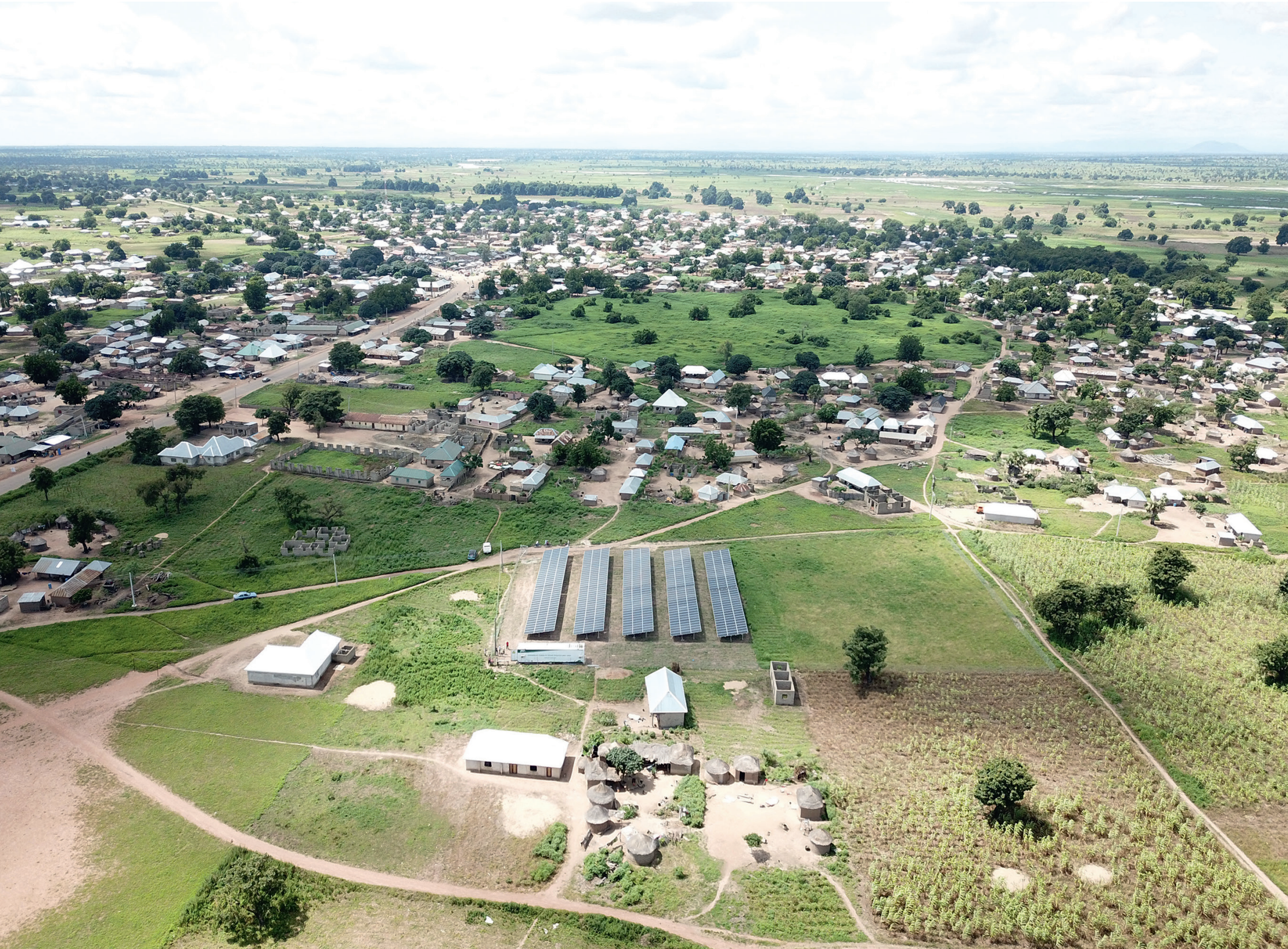
In his latest article, Abdul Sotayo highlights some of the issues that continue to hold back progress on clean energy in Nigeria, where energy poverty remains a problem, despite the nation’s vast solar potential
Historic meteorological data is typically used to assess solar farm yield and secure project finance, but with climate change beginning to affect every aspect of society, past weather data may no longer be a reliable guide. Nastasia Pacaut looks at how PV projects can be futureproofed in a changing climate
David Thomason highlights how designing renewable energy projects for diversified revenue streams such as green ammonia can allow them to capture high electricity prices today, while protecting them from cannibalization tomorrow.
Is local manufacturing of Li-ion batteries desirable or even necessary? Jamie Shaw-Stewart explores some technical and geopolitical issues around it
There are further reforms in the works to fully unlock flexibility potential in our homes. Let’s pause, take a moment and indulge in some imagineering with Nithin Rajavelu
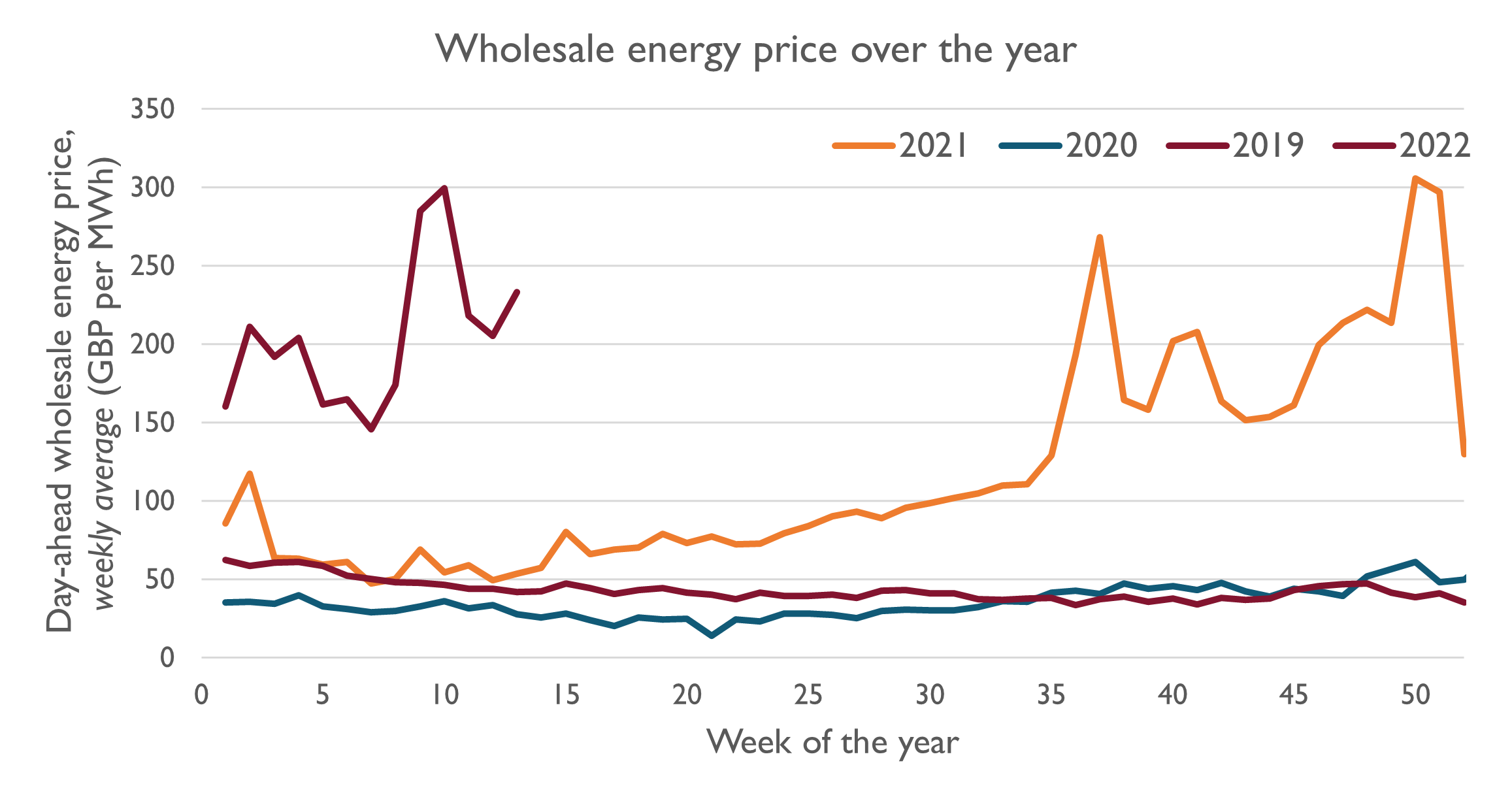
In his latest article, Everoze Partner Nithin Rajavelu examines what’s been happening with our energy prices recently and shares his thoughts on why the current GB energy market design doesn’t work for consumers in a Net Zero future.
In this follow-up article to his previous LinkedIn post on why we see step-change in design wind speeds at some national borders, Simon Hughes shares his thoughts and conclusions.
In this article, Everoze Partner Ellie van der Heijden describes why we think what we are doing at Everoze is a little different to business as normal when it comes to carbon removal.
In his previous blog, Benjamin Lock wrote about how energy efficiency can help avoid distribution network constraints, and why this unglamorous yet effective technology deserves more attention. Now it’s time to get a bit more specific. How much is domestic energy efficiency actually worth? And how do we unlock its potential?